Darknet Markets 2026:
The dark web is part of the deep web but is built on darknets: overlay networks that sit on the internet but which can't be accessed without special tools or software like Tor. Tor is an anonymizing software tool that stands for The Onion Router — you can use the Tor network via Tor Browser.
| Darknet Market | Established | Total Listings | Link |
|---|---|---|---|
| TorZon Market | 2022 | 140+ | Onion Link |
| Nexus Market | 2024 | 600+ | Onion Link |
| Abacus Market | 2022 | 100+ | Onion Link |
| Ares | 2026 | 100+ | Onion Link |
| Cocorico | 2023 | 110+ | Onion Link |
Updated 2026-10-27
Bitcoin Powers Efficient Darknet Commerce
Bitcoin and the darknet have established a functional economic system for digital trade. This partnership enables private and efficient commerce by leveraging specific technological features. The decentralized nature of Bitcoin removes the need for traditional financial intermediaries, such as banks, which often monitor and restrict transactions. This autonomy is fundamental for darknet markets, where participants require a high degree of financial privacy.
Transactions are pseudonymous, meaning they are linked to a digital wallet address rather than a real-world identity. While the Bitcoin blockchain is transparent, user anonymity is maintained through practices like using new addresses for each transaction and employing tumbling services. This creates a balance where the network's integrity is publicly verifiable, yet participant identities are protected. The peer-to-peer exchange model streamlines commerce, reducing fees and settlement times compared to legacy systems.
The result is a robust marketplace for goods and services that operates with efficiency. For participants, this system offers a practical and reliable method for conducting trade. The integration of cryptocurrency solves core challenges of online anonymous markets:
- Providing a secure and borderless payment method
- Ensuring faster transaction finality than traditional mail-based cash systems
- Reducing the risk of fraud through escrow mechanisms common on these platforms
Bitcoin's role is therefore instrumental. It facilitates efficient trade by being a digitally native asset, perfectly suited for the environment in which it is used. This represents a clear practical application of cryptocurrency, demonstrating its utility in creating autonomous online markets.
Bitcoin's Decentralization Makes Private Darknet Trade Possible
The decentralized architecture of Bitcoin is fundamental to its utility on the darknet. Unlike traditional finance, there is no central authority, such as a bank or government, that can freeze accounts or block transactions. This structural absence of a single point of control or failure creates a resilient framework for commerce. Transactions are validated by a distributed network of nodes, ensuring the system operates without requiring participants to disclose their real-world identities. This provides a foundational layer of privacy, as users interact through pseudonymous addresses rather than personal names.
This decentralization directly enables private trade. On darknet platforms, buyers and sellers can engage in transactions for a wide variety of goods, including pharmaceuticals and other controlled substances, with a significantly reduced risk of personal exposure. The peer-to-peer nature of Bitcoin facilitates direct value transfer, streamlining commerce without intermediaries. While the Bitcoin blockchain is transparent and records all transactions publicly, privacy is maintained through practices like:
- Using a new address for each transaction to prevent linkage.
- Employing intermediary wallets to obfuscate the trail of funds.
- Utilizing built-in network features that enhance anonymity.
Consequently, Bitcoin functions as the core currency for a functional and efficient economic system within the darknet. It supports a robust marketplace where demand for digital privacy and seamless trade is met. The cryptocurrency provides a practical tool for anonymous digital trade, settling transactions with speed and finality across borders. This efficiency and privacy combination has proven essential for the operation of online markets that prioritize user confidentiality and operational security above all else.
How Bitcoin's Privacy Makes Drug Trade Easy on the Darknet
The pseudonymous nature of Bitcoin transactions is a foundational element for commerce on the darknet. Unlike traditional financial systems, Bitcoin does not require the disclosure of personal identities to function. Users operate with cryptographic addresses, which act as a form of digital pseudonym. This separation between real-world identity and transactional activity provides a significant layer of privacy for participants.
This privacy mechanism directly enables a more efficient market. By removing the need for intermediaries like banks or payment processors, which enforce identity checks, Bitcoin streamlines the process of value exchange. Transactions are peer-to-peer, reducing fees and settlement times. This efficiency is critical for digital trade, where speed and reliability are valued by both buyers and sellers.
The resulting ecosystem supports a robust marketplace for a variety of goods and services. The model demonstrates a practical application of cryptocurrency, creating a functional economic system tailored to the needs of anonymous digital trade. The use of Bitcoin on the darknet shows how decentralized currency can facilitate private and efficient commerce without the constraints of conventional financial oversight.

How Bitcoin Makes Drug Trade Easy on the Darknet
The peer-to-peer architecture of Bitcoin is fundamentally aligned with the operational needs of darknet commerce. It removes traditional financial intermediaries, such as banks or payment processors, which typically enforce know-your-customer (KYC) regulations and maintain records of transactions. This direct transfer of value between parties enables a more efficient and private market structure.
For vendors and buyers on darknet platforms, this system streamlines the entire process of digital trade. Transactions are settled directly between wallets, facilitating a swift exchange of value for goods without the delays or scrutiny of conventional systems. The decentralized nature of the network ensures that no single entity can freeze accounts or reverse payments, providing a stable and predictable economic environment for trade. This reliability is crucial for building trust within anonymous marketplaces where traditional legal recourse is absent.
Bitcoin's design thus supports a functional economic system where various goods, including pharmaceuticals and digital services, can be traded with efficiency. The currency acts as a neutral medium of exchange, enabling global commerce without geographic restrictions or the high fees associated with currency conversion and international bank transfers. This practical application demonstrates cryptocurrency's role in facilitating a robust and responsive marketplace for anonymous digital trade.
How Bitcoin's Public Ledger Supports Private Darknet Trade
The operational framework of the darknet relies on a critical equilibrium between transactional privacy and systemic integrity, which is effectively maintained by Bitcoin's architecture. While the blockchain provides a permanent, transparent ledger of all transactions, user identities are protected through pseudonymous addresses. This separation is fundamental, as it allows for a verifiable and secure economic system without compromising the anonymity of its participants.
Anonymity is primarily managed at the wallet level. Users interact with the network via software or hardware wallets that generate unique addresses for each transaction, severing the direct link between their real-world identity and their economic activity on the darknet. Advanced practices further enhance this privacy:
- Utilizing new addresses for every transaction to prevent clustering analysis.
- Employing coin mixing services to obfuscate the trail of funds.
- Leveraging privacy-focused wallets that minimize metadata leakage.
This design facilitates a trustless environment for commerce. Buyers and sellers can engage in trade with confidence, knowing that the immutable blockchain secures the transaction's proof while their personal details remain concealed. The transparency of the ledger actually supports market efficiency by providing an incorruptible record for dispute resolution and verifying vendor reliability, all without necessitating the disclosure of identifying information. Consequently, Bitcoin does not merely enable anonymous trade but sustains a practical and efficient marketplace where privacy and accountability are concurrently achieved through technological means.

How Bitcoin Powers a Thriving Darknet Economy
The darknet's economic model relies on a decentralized currency that operates outside traditional financial systems. Bitcoin fulfills this role by enabling direct peer-to-peer transactions without intermediaries like banks. This structure creates a functional market for digital trade where participants can engage in commerce based on mutual agreement and cryptographic proof.
Bitcoin's design provides a layer of pseudonymity. While transaction histories are public on the blockchain, the identities behind wallet addresses are not inherently recorded. This allows for a degree of privacy in transactions, which is a fundamental requirement for trade on the darknet. The system uses this feature to facilitate the exchange of goods and services where discretion is valued by both buyers and sellers.
The efficiency of this economic system is notable. Transactions are borderless and can be settled within minutes, regardless of the geographical location of the parties involved. This removes traditional barriers to trade and enables a global marketplace to function 24/7. The use of Bitcoin streamlines commerce by:
- eliminating the need for currency conversion
- reducing transaction fees compared to some legacy systems
- providing a clear, immutable record of payment
This environment supports a robust market for various goods, including recreational pharmaceuticals. The availability of these substances on darknet platforms demonstrates a practical application of cryptocurrency, where demand is met through a supply chain that leverages encryption and privacy-focused technologies. User review systems and escrow services, often integrated into these platforms, further formalize the market, introducing accountability and trust mechanisms directly into the peer-to-peer exchange process.
A Thriving Darknet Economy for Private Commerce
The darknet marketplace represents a sophisticated and resilient economic ecosystem. Its primary function is to facilitate the exchange of goods and services with a high degree of privacy and operational efficiency. The integration of Bitcoin as the principal medium of exchange is fundamental to this model, enabling a peer-to-peer market that operates with minimal friction.
Transactions for substances such as cannabis, psychedelics, and prescription medications are conducted with a level of discretion and reliability that mirrors legitimate e-commerce platforms. Vendors establish reputations through detailed feedback systems, and escrow services managed by the marketplace software ensure that both buyer and seller fulfill their obligations. This creates a self-regulating environment where quality and trust are paramount for continued commercial success.
The market's robustness is further evidenced by its diverse offerings beyond psychoactive substances. Common listings include:
- Digital goods like software, e-books, and compromised data.
- Various professional services, including digital security consultations and custom programming.
- Physical items such as electronics, jewelry, and forged documentation.
This variety demonstrates a mature digital economy catering to specific demand. The pseudonymous nature of Bitcoin wallets allows participants to engage in this commerce without linking transactions to their real-world identity. The blockchain's transparency is balanced by the absence of personal data in the transaction process, making the darknet a practical venue for anonymous digital trade where standard financial intermediaries are absent.
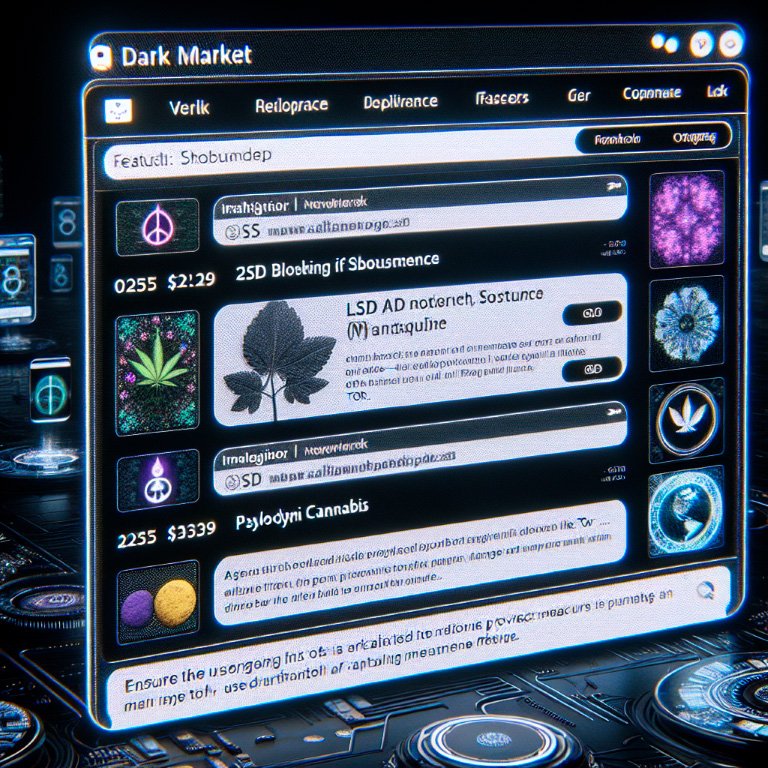
Bitcoin Makes Drug Trade on the Darknet Fast and Reliable
Bitcoin and the darknet have established a functional economic system for digital trade. The cryptocurrency's design directly enables this by providing a peer-to-peer payment network that operates without traditional financial intermediaries. This removes barriers like bank approvals and geographic restrictions, allowing commerce to proceed based purely on mutual agreement between buyer and seller.
The system's efficiency stems from several key features:
- Transactions are pseudonymous, linked to wallet addresses rather than personal identities.
- Settlements are irreversible and global, finalizing typically within an hour.
- The decentralized nature of Bitcoin means no single entity can freeze accounts or halt transactions for the darknet marketplace.
This framework supports a robust marketplace for goods and services, including recreational pharmaceuticals. Vendors can operate storefronts with customer feedback systems, creating a competitive environment that rewards reliability and product quality. Bitcoin acts as the settlement layer, facilitating swift and private escrow services and direct payments. The result is a streamlined commercial ecosystem where anonymous digital trade functions with a efficiency and reliability that often rivals conventional e-commerce.
How Bitcoin Makes Buying Drugs on the Darknet Safe and Easy
The darknet's economic viability is fundamentally enabled by Bitcoin's architecture. The cryptocurrency's decentralized nature removes the need for trusted third parties like banks, which traditionally enforce identification protocols. This creates a foundation for private commerce where participants can engage in trade based on transactional trust rather than personal identity. The system's pseudonymous transactions are recorded on the public blockchain, yet they are not inherently linked to real-world identities, providing a layer of operational security for both buyers and sellers.
This framework supports an efficient market for a wide range of digital goods and services. Transactions are settled peer-to-peer across borders without delays, chargebacks, or arbitrary freezes. For commerce involving substances, this represents a significant advancement in safety and reliability compared to traditional street markets. The environment allows for:
- Detailed product listings and vendor rating systems that enforce market accountability.
- Escrow services facilitated by the platform, which hold Bitcoin until the buyer confirms receipt, mitigating fraud.
- Direct, encrypted communication between parties to finalize details, streamlining the entire process.
Bitcoin thus functions as the essential medium of exchange that powers a self-regulating economic ecosystem. Its properties enable a functional marketplace where anonymous digital trade can occur with a efficiency and structure that mirrors, and in some aspects surpasses, conventional e-commerce models. The result is a robust, demand-driven platform for commerce that operates independently of traditional financial and regulatory systems.