Darknet Markets 2026:
The dark web is part of the deep web but is built on darknets: overlay networks that sit on the internet but which can't be accessed without special tools or software like Tor. Tor is an anonymizing software tool that stands for The Onion Router — you can use the Tor network via Tor Browser.
| Darknet Market | Established | Total Listings | Link |
|---|---|---|---|
| TorZon Market | 2022 | 140+ | Onion Link |
| Nexus Market | 2024 | 600+ | Onion Link |
| Abacus Market | 2022 | 100+ | Onion Link |
| Ares | 2026 | 100+ | Onion Link |
| Cocorico | 2023 | 110+ | Onion Link |
Updated 2026-10-27
How a Darknet Builds Trust and Quality for Safer Trade
The operational framework of a darknet marketplace is engineered to facilitate secure and private commerce by establishing a system of verified trust and product quality assurance. This structure directly addresses the core requirements of discreet trade, creating an environment where transactions can proceed with reduced risk for all involved parties.
The foundation of this system is built on cryptocurrency payments and end-to-end encryption, which provide the necessary privacy for financial and communication channels. Anonymity is maintained not as an obstacle to trust, but as a precondition for secure engagement. To build trust within this anonymous setting, marketplaces implement a transparent reputation and feedback mechanism. Every transaction can be rated, and these cumulative reviews create a reliable profile for each vendor. A seller with a long history of positive feedback and high-resolution dispute outcomes becomes a trusted vendor, whose standing is a valuable asset.
Product quality is assured through this same community-driven verification. Detailed user reviews describe product purity, accurate weight, and shipping efficiency. This collective scrutiny pressures vendors to maintain consistent quality, as negative reports directly impact future sales. The escrow service acts as a critical neutral party, holding the buyer's payment until the product is received and confirmed. This mechanism protects the buyer from fraud and guarantees the vendor payment upon successful fulfillment, enforcing accountability.
The marketplace software itself, often open-source and designed for resilience, ensures the platform's continued operation. This decentralized approach makes the marketplace less vulnerable to single points of failure. The result is a self-regulating ecosystem where privacy enables safety, reputation guarantees quality, and technological design ensures stability, allowing for efficient and predictable commerce.
How Crypto Payments Build Trust on the Darknet
Cryptocurrency transactions are fundamental to the operational privacy of a darknet marketplace. These digital currencies, primarily Bitcoin and Monero, function as a medium of exchange that does not require the disclosure of personal banking details. The blockchain provides a public ledger, but sophisticated tumbling services and inherent privacy features in coins like Monero obscure the trail between buyer and seller. This financial privacy is the first layer in enabling commerce, separating transactional identity from real-world identity.
This privacy directly facilitates trust in vendor relationships. A buyer can engage with a vendor based solely on their market reputation, documented through transaction counts and review scores, rather than any biased or geographical factors. The payment itself becomes a simple, secure step in a process focused on product quality and service reliability. Funds are typically held in a marketplace escrow system until the buyer confirms receipt, which protects both parties and incentivizes honest conduct.
The resulting environment prioritizes transactional efficiency and product standards. Vendors compete on:
- the purity and consistency of their products,
- the discretion and reliability of their shipping,
- and their responsiveness in communication.
This system transforms commerce into a feedback-driven model. Each completed transaction, verified by the cryptographic release of escrow, contributes to a vendor's public rating. Persistent quality builds a trusted vendor status, which is their most valuable asset. Therefore, the privacy of cryptocurrency payments establishes a neutral foundation where sustainable business practices and consumer satisfaction become the primary metrics for success.
How Escrow Keeps Darnet Drug Trades Secure
The escrow system is a foundational mechanism for establishing trust in a darknet marketplace. It functions as a neutral third-party service that holds a buyer's cryptocurrency payment securely after an order is placed, but before it is finalized. This process directly addresses the inherent risk of anonymous commerce by ensuring that funds are only released to the vendor once the buyer confirms satisfactory receipt of the product. Without escrow, a vendor could simply accept payment and never ship the order, or a buyer could falsely claim non-receipt to get a refund after receiving the goods.
Operation follows a clear sequence:
- The buyer submits an order and sends payment to the marketplace's escrow wallet.
- The vendor is notified and ships the product.
- The buyer receives the product and marks the order as completed in the system.
- Escrow then automatically releases the funds, minus the marketplace fee, to the vendor.
The effectiveness of escrow is amplified by its integration with the vendor reputation system. A vendor with a long history of successful escrow releases builds a high trust score, which attracts more buyers and allows them to potentially qualify for finalize early options. This feature permits trusted vendors to receive funds before delivery, streamlining their cash flow as a reward for consistent reliability. Thus, escrow does not merely protect a single transaction; it cultivates a self-reinforcing ecosystem where financial security and reputational capital are intertwined, promoting overall market stability and quality service.
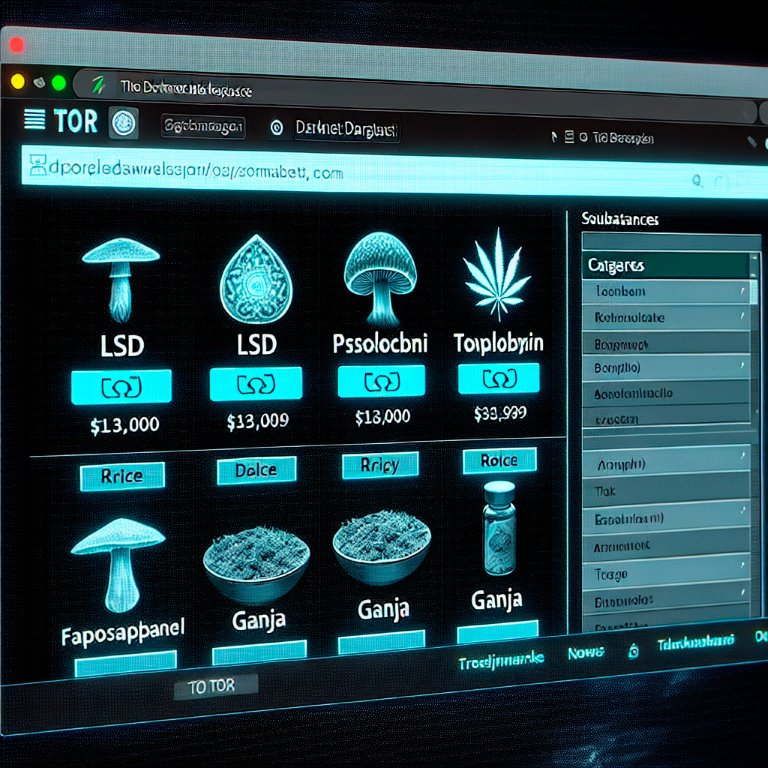
Finding Quality Products on the Darknet
The variety of products available on a darknet marketplace is a direct result of its core operational principles. The use of cryptocurrency and encryption creates a private environment where commerce can occur based on demand and supply, free from traditional oversight. This privacy allows for a wide range of substances to be traded, many of which are sought for personal use or exploration outside established legal frameworks.
This system naturally incentivizes quality and reliability. Vendors build their business on user reviews and reputation scores, which are publicly visible. A vendor with consistently positive feedback for a specific product, such as MDMA or LSD, establishes trust. Buyers can verify:
- The purity of a substance from lab test results posted in reviews.
- The reliability and stealth of shipping methods.
- The accuracy of the product description and weight.
The escrow service is critical here. Funds are held by the marketplace until the buyer confirms receipt and satisfaction. This mechanism protects the buyer from fraud and motivates the vendor to maintain high standards to ensure the transaction is finalized and they are paid. A vendor's reputation is their most valuable asset; losing it due to poor product quality or scams makes sustainable operation impossible.
Therefore, the marketplace structure filters for trusted vendors. The combination of decentralized technology, cryptographic privacy, and a transparent feedback loop creates an ecosystem where access to diverse substances is coupled with mechanisms that promote safety and predictable quality for the consumer.
Reviews Build Trust and Guide Choices on the Darknet
The feedback system is a foundational component for establishing trust on a darknet marketplace. It operates as a transparent and self-regulating mechanism where past transactions directly inform future decisions. Every completed order allows a buyer to leave a detailed review and a numerical rating, typically on a five-star scale. This creates a verifiable reputation for each vendor and product listing, moving commerce beyond mere anonymity toward accountable anonymity.
Prospective buyers rely on this aggregated data to assess reliability. They examine a vendor's overall rating, their total number of transactions, and the specific comments left on product listings. A consistent history of positive reviews indicates a vendor who delivers the advertised product quality, uses effective stealth shipping methods, and maintains professional communication. This system effectively crowdsources quality control, as the community collectively identifies and promotes reliable sellers while marginalizing those who engage in scams or provide substandard goods.
The review content itself provides critical, granular information that product descriptions cannot. Buyers report on:
- The precise purity and potency of a substance compared to its advertisement.
- The efficiency and discretion of the packaging and shipping process.
- The speed and professionalism of the vendor's communication.
This transforms each transaction from a blind risk into an informed choice based on peer testimony. For vendors, maintaining a high reputation is economically imperative, as it directly correlates with sales volume and the ability to command premium prices. The feedback loop thus creates a stable environment where mutual interest in successful transactions aligns the goals of buyers and sellers, fostering a marketplace where quality and reliability are the primary currencies for sustained operation.

How Reputation Builds Trust on the Darknet
A vendor's reputation on a darknet marketplace is their primary asset, directly convertible into sales and pricing power. This system creates a self-regulating environment where quality control and reliable service are incentivized by market forces. Vendors maintain high standards because their business depends on positive user feedback and consistent transaction completion without disputes.
The feedback mechanism is transparent and permanent. Each transaction results in a review detailing product quality, shipping speed, and communication. This record allows buyers to make informed decisions, creating a competitive landscape where only vendors who consistently meet expectations thrive. Vendors invest in their reputation by:
- Providing accurately described and high-purity products.
- Using discreet and secure packaging methods.
- Maintaining clear and professional communication with buyers.
- Honoring shipping timelines and resolving issues promptly.
This focus on reputation reduces risk for all parties. Buyers can trust established vendors, which minimizes the chance of receiving inferior products or falling victim to scams. For the vendor, a strong reputation builds a loyal customer base, allowing for stable operations and the ability to command fair prices. The entire marketplace ecosystem becomes more efficient and trustworthy as a result of this feedback-driven reputation model.
How Decentralized Tech Makes Drug Trade Safer and More Reliable
The operational resilience of a darknet marketplace is fundamentally tied to its decentralized architecture. Unlike traditional e-commerce platforms reliant on central servers, these markets often utilize technologies like the Tor network and blockchain. This structure distributes the marketplace's presence across numerous nodes, making it inherently resistant to single points of failure or external takedown attempts. The persistence of the platform directly enables the continuity of commerce, allowing trusted vendor relationships and access to quality products to remain stable over time.
Decentralization extends beyond mere access to the transaction mechanisms themselves. Escrow services and reputation systems are frequently managed through multisignature cryptocurrency wallets and immutable feedback ledgers. This removes the need for a central authority to hold funds or arbitrate disputes, instead distributing trust across the protocol and community. A vendor's established reputation becomes a permanent and verifiable asset, fostering a self-regulating ecosystem where high-quality product listings and reliable service are consistently rewarded with sustained business.
The technical framework supports a robust feedback loop:
- Market stability allows vendors to invest in their shop's presentation, product purity, and shipping discretion.
- Buyers contribute detailed reviews and ratings, which are securely recorded.
- This collective intelligence is preserved on the platform, continuously refining the accuracy of product descriptions and vendor trustworthiness.

How User Reviews Build Trust and Better Products on the Darknet
The operational security and commercial viability of a darknet marketplace are fundamentally dependent on its feedback and review system. This transparent mechanism directly enables safe and private commerce by creating a self-regulating environment where trusted vendors and quality products are systematically identified. Unlike traditional anonymous commerce, every transaction can culminate in detailed user reviews, which serve as a collective intelligence for the entire community.
A vendor's reputation is quantified through metrics like a feedback score and detailed written evaluations. This data allows buyers to make informed decisions based on prior experiences, effectively crowd-sourcing trust. The process works in stages:
- A buyer receives a product and verifies its quality and accuracy.
- They then post a review describing the product's condition, the shipping speed, and the vendor's communication.
- Future buyers analyze this aggregated history before placing an order with that vendor.
This constant flow of community feedback creates powerful economic incentives. Vendors with consistently high ratings and positive reviews gain more business, which motivates all sellers to maintain high standards in product quality and operational security. Conversely, vendors with poor feedback or accusations of scamming are quickly marginalized as buyers avoid them. The system naturally filters out bad actors and highlights reliable ones, reducing risk for all participants. The escrow service is made more effective because dispute resolution can reference a vendor's established feedback history, providing context for moderator decisions.
Ultimately, the review system transforms the marketplace from a mere listing platform into a dynamic ecosystem. It ensures that private commerce is not just anonymous but also accountable, where trust is built, displayed, and enforced by the community itself, directly enabling transactions with trusted vendors and quality products.