Darknet Markets 2026:
The dark web is part of the deep web but is built on darknets: overlay networks that sit on the internet but which can't be accessed without special tools or software like Tor. Tor is an anonymizing software tool that stands for The Onion Router — you can use the Tor network via Tor Browser.
| Darknet Market | Established | Total Listings | Link |
|---|---|---|---|
| TorZon Market | 2022 | 140+ | Onion Link |
| Nexus Market | 2024 | 600+ | Onion Link |
| Abacus Market | 2022 | 100+ | Onion Link |
| Ares | 2026 | 100+ | Onion Link |
| Cocorico | 2023 | 110+ | Onion Link |
Updated 2026-10-27
How Darknets Make Drug Buying Safer
The architecture of darknet markets, built on encrypted networks like Tor, fundamentally reconfigures the safety parameters of drug acquisition. By operating as onion sites, these platforms anonymize both the user's location and the market's server location, creating a shielded environment for peer-to-peer trade. This encryption is the primary layer of security, preventing the surveillance that is typical on the clear web and reducing risks associated with street purchases.
Safety is further institutionalized through the market's internal mechanisms. The vendor rating system acts as a continuous audit, where every transaction contributes to a seller's public reputation. This creates a self-regulating ecosystem where consistent product quality and reliable shipping are rewarded with more business, and poor performance is immediately visible and penalized by the community. Buyers make informed decisions based on detailed feedback, a system more transparent than any street-level interaction.
The transaction process incorporates critical safety features. Funds are typically held in escrow by the market until the buyer confirms receipt of the order. This prevents common scams by ensuring vendors are paid only upon successful delivery, aligning the interests of both parties. The entire model is user-driven, with safety protocols evolving directly from the community's need for reliable transactions and verified quality, making the encrypted market a functionally safer alternative for obtaining substances.
How Encrypted Networks Make Drug Trade Safer and Direct
The architecture of onion sites provides the foundational layer for secure peer-to-peer trade. These networks use onion routing, which encrypts and randomly routes data through multiple volunteer servers, stripping away a layer of encryption at each step. This process makes it exceptionally difficult to trace the origin or destination of any communication or transaction. For participants in a darknet marketplace, this means their physical location and identity are decoupled from their economic activity, creating a protected environment for exchange.
This encrypted environment directly enables the peer-to-peer sales model. Unlike traditional illicit trade, which often involves dangerous intermediaries, these platforms connect buyers and vendors directly. The removal of middlemen streamlines the process and reduces points of potential conflict or violence. The market's software facilitates this by providing a structured interface for product listings, secure messaging, and transaction processing, all within the encrypted tunnel.
The safety of transactions is further institutionalized through built-in market mechanisms. Escrow services hold a buyer's cryptocurrency payment until the product is received and confirmed, protecting both parties from fraud. This financial security is complemented by the vendor rating system. After each completed sale, buyers leave detailed feedback on product quality, shipping speed, and communication. This creates a transparent, crowd-sourced reputation for each vendor.
These systems work in tandem to make drug buying safer. A new user can assess a vendor's history through review scores and written testimonials before committing funds to escrow. The entire transaction, from browsing to finalizing, occurs on the encrypted network, shielding user data. The result is a self-regulating economic space where trust and reliability become the most valuable commodities for a vendor's success, incentivizing honest business practices and high-quality products in a way that street-level dealing cannot.
How Privacy and Security Make Darnet Drug Trade Safer
The foundational architecture of onion sites provides a critical layer of user protection by anonymizing all connections. This system routes traffic through multiple encrypted nodes, effectively separating a user's physical location and identity from their activity on the darknet. This technical barrier is the primary defense against surveillance and unwanted exposure, creating a secure environment for engagement.
Within this protected space, encrypted markets implement further safeguards. All communications, from initial contact to finalizing order details, are secured with end-to-end encryption. This means only the intended vendor and buyer can read the messages, preventing interception of sensitive information like addresses or specific transaction terms. The combination of network and communication-level encryption establishes a private channel for commerce.
This enforced privacy directly enables safer transactions by supporting robust vendor review systems. Buyers can openly share detailed feedback on product quality, shipping speed, and communication without fear of personal reprisal. This generates a transparent, crowd-sourced reputation for each vendor, which functions as a self-regulating mechanism. High-risk or fraudulent sellers are quickly identified through consistent negative reviews, allowing the community to avoid them.
The safety model is completed by the structure of P2P sales. By facilitating direct transactions between users, the market removes centralized points of failure and control. Financial interactions are handled through decentralized cryptocurrencies, with many markets employing multisignature escrow services. This escrow holds funds until the buyer confirms receipt, protecting both parties from scams. The entire processfrom browsing on an onion site to finalizing a P2P dealis designed to minimize risk through technological means, placing control and security directly in the hands of the users.
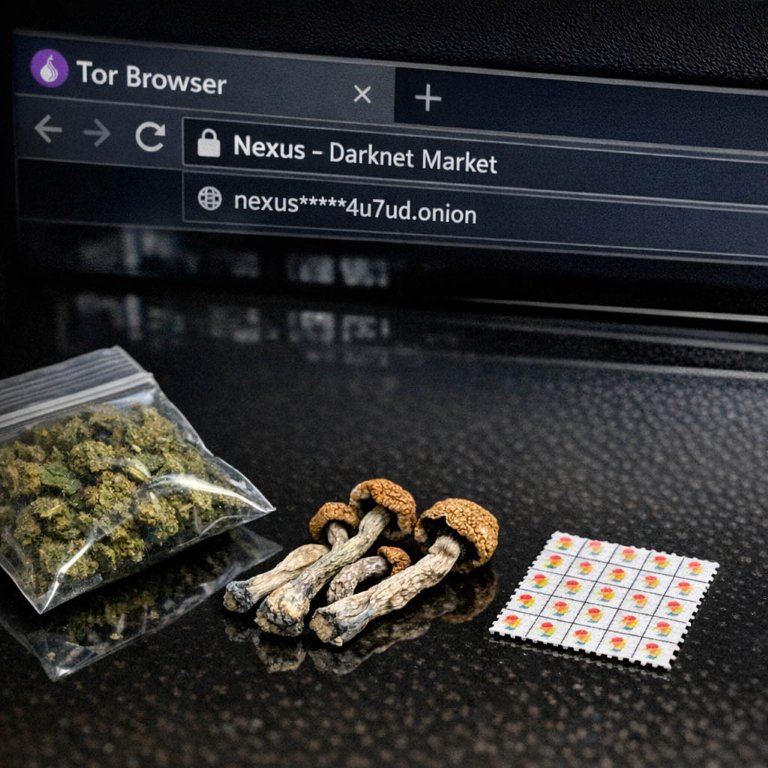
How Darknet Rating Systems Ensure Quality and Reliability
The operational backbone of a successful darknet marketplace is a robust vendor rating system. This user-generated feedback mechanism directly replaces the need for traditional institutional trust, creating a self-regulating economic environment. Every completed transaction can be followed by a detailed review, where buyers assess the quality of the product, the stealth of packaging, the speed of delivery, and the vendor's communication. These reviews are aggregated into a public score, often accompanied by written testimonials, which are permanently linked to the vendor's profile.
This system enforces a high standard of service and product consistency. Vendors with established positive reputations gain more business and can justify premium pricing, creating a direct financial incentive for honest and reliable conduct. Conversely, vendors who attempt to scam users or provide substandard products are quickly identified through negative feedback, which leads to a loss of sales and eventual exclusion from the platform. The transparency of this process allows buyers to make informed decisions with reduced perceived risk.
The structure of these systems often includes:
- Separate rating categories for product quality, shipping, and communication.
- Verified purchase badges to confirm reviews are from actual transactions.
- Historical data tracking a vendor's performance over months or years.
This creates a form of digital word-of-mouth that is critical for safety. A buyer can reliably distinguish between a new, unproven vendor and a seasoned operator with thousands of successful sales. The cumulative reputation acts as a form of collateral for the vendor, making exit scams or selling dangerous, misrepresented products a financially damaging strategy. Thus, the rating system transforms anonymous peer-to-peer trade into a structured and accountable commercial space.
How Escrow Makes Buying on the Darknet Safe and Easy
Escrow services are a fundamental component of the darknet's economic infrastructure, directly addressing the inherent risk in anonymous peer-to-peer trade. These systems function as a neutral third party, holding the buyer's cryptocurrency payment in secure custody until the ordered goods are received and confirmed. This mechanism effectively eliminates the possibility of a vendor exit scam, where a seller would accept payment without intending to ship the product. The release of funds is contingent upon the buyer's confirmation, which creates a powerful incentive for vendors to fulfill their obligations with quality products and reliable shipping.
The operational model is straightforward and user-driven. Upon order placement, funds are locked in a multi-signature escrow wallet. Only after the buyer finalizes the order, signaling successful receipt, are the funds automatically released to the vendor. In cases of dispute, such as non-delivery or substandard product, a moderated resolution process is initiated. Both parties provide evidence, and a trusted marketplace moderator adjudicates, deciding whether to release funds to the vendor, refund the buyer, or split the payment. This system institutionalizes trust, transforming a potentially risky anonymous transaction into a secure commercial exchange.
The integration of escrow with vendor rating systems creates a synergistic effect that elevates market safety and quality. A vendor with a long history of successfully completed escrow transactions accumulates positive feedback, which is publicly visible and quantifiable. This transparent reputation becomes their most valuable asset, encouraging consistent professional conduct. For the user, the combined assurance of escrow protection and peer-reviewed vendor history significantly reduces uncertainty, making the procurement process more predictable and secure than traditional street-level acquisition.
A Safer, User-Run Marketplace for Drugs on the Darknet
The economic model on darknet markets is fundamentally user-driven, shifting power from traditional distributors to the consumer. This model operates on principles of direct peer-to-peer exchange facilitated by encrypted networks like Tor, which host the necessary onion sites. These platforms remove intermediaries, allowing for a more efficient and competitive marketplace where price and quality are directly influenced by buyer feedback and demand.
Safety in this environment is constructed through transparent, community-based systems. The cornerstone is the vendor rating and review system. After each transaction, buyers provide detailed feedback on product purity, shipping speed, and communication. This creates a persistent reputation score for each vendor, making high-quality, reliable sellers easily identifiable and financially rewarding their good practices while pushing fraudulent actors out of the market. The system functions as a continuous quality assurance mechanism.
Financial security is enhanced by the use of multisignature escrow services. Instead of sending payment directly to the vendor, funds are held in escrow by the market software until the buyer confirms satisfactory receipt of the goods. This mechanism significantly reduces the risk of scams, as vendors are incentivized to complete transactions honestly to release their payment. The combination of encryption for anonymity and escrow for transaction security creates a framework where trade can occur with reduced risk for both parties.
The result is a self-regulating ecosystem that prioritizes consumer safety and product quality through technological tools and economic incentives. The encrypted market structure ensures privacy, while the peer-to-peer sales model, governed by verifiable reviews and secured financial protocols, establishes a safer, more accountable environment for substance procurement compared to unregulated street dealings.
How Darknet Markets Make Drug Trade Safer and More Reliable
The architecture of onion sites provides a foundational layer of safety for transactions. By routing traffic through multiple encrypted nodes, these networks conceal the location and identity of both buyers and vendors, creating a discreet trading environment. This technical barrier to surveillance is a primary feature that allows the marketplace to function.
Encrypted markets build upon this by structuring commerce around peer-to-peer sales. This model removes traditional intermediaries, allowing vendors to operate independently and buyers to source substances directly. The system is supported by two critical trust mechanisms:
- Vendor rating systems act as a continuous audit. Each transaction generates public feedback on product quality, shipping speed, and communication. A vendor's long-term reputation is quantified, making high scores a valuable asset that incentivizes reliable service.
- Escrow services hold payment securely until the buyer confirms receipt. This prevents scams by ensuring funds are only released after the terms of the sale are met, aligning the vendor's financial interest with satisfactory fulfillment.
The direct benefit is a user-driven economic model that enforces standards. Vendors with consistently positive reviews gain more business, while those with poor performance are marginalized. This creates a self-regulating marketplace where safety and reliability are rewarded, reducing the risks historically associated with such trades. The result is a functional platform where transactions are secured by cryptography and governed by community-enforced accountability.